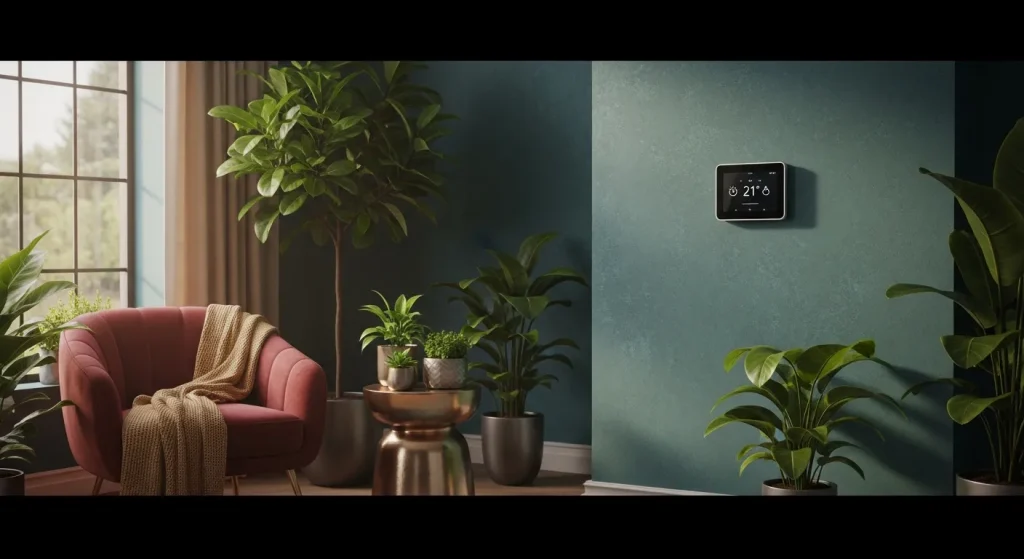
An energy efficient home sounds like something that requires a large investment: new windows, insulation, expensive installation. In practice, it is different. Most of the savings come from a series of small decisions that do not require a handyman or renovation: which light bulb you buy, whether a device is on standby, how you use the kitchen, how you arrange the space. All of this adds up month after month, quietly and without sacrifice.
The good news is that an efficient home is neither colder nor less comfortable, quite the opposite. When you set up heat and light properly, the home feels more pleasant, and you spend less to feel the same. Below is a practical, step-by-step guide on how to make your home smarter about consumption, without a large one-time expense.
Start with light, the fastest savings at home
If efficiency starts anywhere, it starts with lighting. An old bulb turns most of the electricity into heat, not light, so you are literally paying to heat the air around the bulb. Modern LED bulbs use several times less energy for the same light output and last for years, so the price difference pays off quickly.
The next step is smart bulbs and lamps. You can dim them when you do not need full brightness, set a warmer tone in the evening, and program them to turn off when you leave the room. Light stops being something you leave on for hours by mistake and becomes a resource that is used only when you really need it.
A practical move for the first week: replace the bulbs in the rooms where the light stays on the longest, such as the kitchen, living room, and hallway. That is where you will feel the savings the most.
Cut silent consumption with smart devices
In every home, there is consumption you do not see: devices that quietly drain electricity on standby. The TV, router, chargers, and household appliances with a light that stays on, each one is a small thing, but together they run non-stop and show up on the bill.
This is where smart devices help, especially smart plugs. With them, you can completely turn off a group of devices with one move when you go to bed or leave, or set a schedule so they turn off automatically at night. Some can be monitored from your phone, so you can see which device actually consumes the most and make decisions based on numbers, not feelings.
The easiest way to start: put one smart plug on the group of devices around the TV and one on the charger area. Those are the places where standby consumption most often quietly grows.
Make the kitchen work efficiently
A large part of the energy in a home goes to the kitchen, and here habits can make a bigger difference than you think. A few simple moves:
- Cover your pots while cooking, water and food heat up faster and use less energy. It sounds trivial, but most people skip it.
- Choose the appliance based on the portion. Smaller kitchen appliances for heating and preparation only heat what you need, so for a single meal they use less than large solutions that you have to heat up entirely.
- Cook the exact amount. A digital scale and measuring tools mean you do not make more than you need, and less wasted food also means less wasted energy.
Each of these moves is small on its own, but it repeats every day, so it quickly adds up.
Keep the heat in your home
Heating and cooling are the biggest expense, and the most is lost where heat escapes unnoticed. You do not have to replace windows to fix this, much can be solved through home and decor that warms both the eye and the room:
- Thicker curtains and drapes keep heat inside in the evening, and during the day you open them to let the sun in and naturally warm the space.
- Rugs and carpets on tiles or laminate keep the floor warmer, so you do not feel the urge to turn up the heating just because your feet are cold.
- Textiles, such as pillows, throws, and blankets change the feel of a room. Often it is not that the apartment is cold, but that it feels bare, so it seems colder than it actually is.
These small things work double duty: the home looks warmer and cozier, and you heat less to feel the same. That is the essence of efficiency, the same comfort with less consumption.
Organize the space so energy is not wasted
The layout of the space also affects consumption more than it seems. When a radiator is buried under things or furniture sits right in front of the heat source, the heating works at full power, but the warmth does not reach where you sit. The same goes for overcrowded shelves that block light, so you turn on more lamps.
Here, organization helps: shelves, baskets, and smart storage solutions that free up radiators and vents and keep the space airy. A tidy home is not just nicer to look at, it is also more efficient to heat and light, because both heat and light have room to spread.
A plan for the first month
So it does not stay just an idea, here is a simple order. In the first week, replace the bulbs where the light stays on the longest. In the second week, put smart plugs on devices that are on standby. In the third week, introduce kitchen habits and an appliance that matches the portion. In the fourth week, close the paths where heat escapes, such as curtains, rugs, and textiles, and clear the space around the radiators.
This way, the cost stays spread out, and each step brings visible savings before you move to the next. An energy efficient home is not bought all at once, it is built thoughtfully, one smart move at a time.
Ready to get started? Everything you need for a more efficient and comfortable home, from LED and smart bulbs, through smart plugs, to curtains, rugs, kitchen appliances, and storage solutions, is in one place, carefully selected to look good and work well. Browse the selection and put together your efficient home at a pace that suits you. [SHOP-CTA]