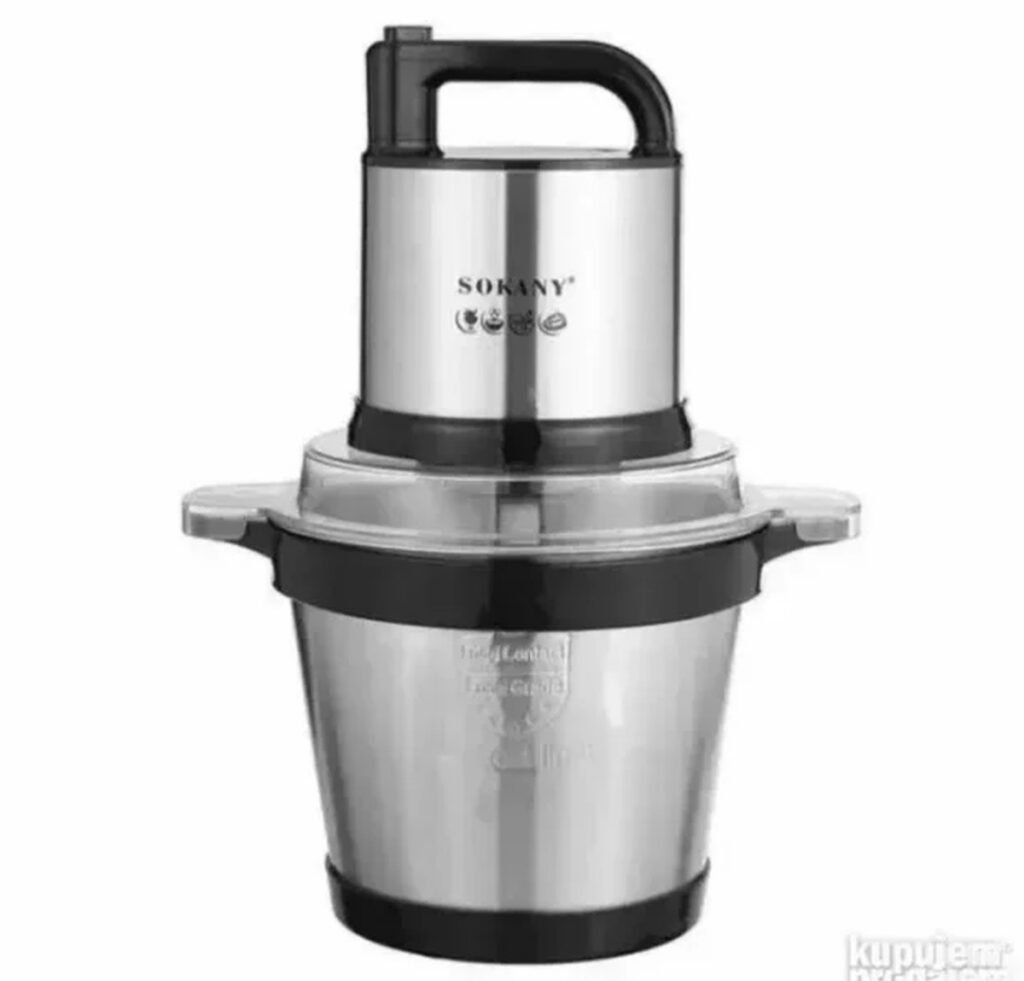
Key points in short:
- A blender is more versatile: it makes smoothies, soups, sauces, and drinks from whole fruit.
- A juicer is specialized for extracting juice, with minimal fiber and more liquid.
- If you make daily smoothies and creamy soups, a blender is the more practical choice.
- For fresh vegetable or fruit juice, a juicer gives a clearer and faster liquid.
- Consider cleaning time: a blender is easier to wash, a juicer requires more parts.
When choosing between a blender and a juicer, the question is not which is “better,” but what you really need in your kitchen. Both appliances make delicious drinks, but in different ways and for different purposes. If you often wonder “blender or juicer,” the answer depends on whether you want a thick smoothie, a creamy soup, or clear juice from whole fruit.
In this guide, step by step, we look at what each appliance does best, how it behaves in practice, and what to pay attention to before buying. In the end, you will know exactly which device solves your everyday task, without unnecessary details and marketing clichés.
What a Blender Does Best
A blender is a workhorse for everything that involves whole fruit, vegetables, and liquid. Powerful motors and sharp blades chop ingredients into a homogeneous mixture, retaining fiber. This is the key difference compared to a juicer.
- Smoothies: blend banana, strawberries, spinach, and yogurt, you get a thick drink that fills you up.
- Creamy soups: cooked vegetables, broth, and spices turn into a smooth soup in a few minutes.
- Sauces and dressings: hummus, pesto, dressings, all of that a blender handles quickly.
- Ice and frozen fruit: if it has enough power, it crushes ice for frappés or ice cream.
A blender is practical because you do not have to peel and chop every fruit, just add, pour in liquid, and switch on. Cleaning is simple: the jar and blades rinse under running water.
What a Juicer Does Best
A juicer is a specialist for extracting liquid from fruit and vegetables, leaving the pulp aside. The result is clear, fresh juice, without fiber, which is quickly digested.
- Juicing carrots, apples, celery: you get pure juice in no time.
- Detox drinks: combinations of green vegetables and fruit give concentrated drinks.
- Large quantities: if you regularly drink fresh juices, a juicer is faster than a blender.
However, a juicer does only one thing, extracting juice. It cannot make soup or sauce. Also, it requires more preparation: fruit must be cut into smaller pieces, and after use, cleaning multiple parts (filter, pulp container, lid) follows.
Blender or Juicer: Key Differences in Practice
To decide more easily, compare them through everyday situations:
- Breakfast smoothie: a blender is better, it retains fiber, fills you up longer, and you can add oats.
- A glass of juice after a workout: a juicer is faster and gives pure liquid, but without fiber that slows sugar absorption.
- Creamy pumpkin soup: a blender is essential, a juicer cannot heat or chop cooked vegetables into a thick mixture.
- Preparing juice for several people: a juicer is more efficient, because for 2-3 glasses you do not need to add liquid.
In short: a blender is more versatile, a juicer is specialized. If you have space and budget, many homes use both, but for most people, a blender is the first choice due to its versatility.
What to Pay Attention to When Choosing
Before you decide, consider the following factors:
- Motor power: for a blender, we recommend at least 600 W, for a juicer 200-400 W. Weaker motors struggle with hard vegetables.
- Container capacity: a blender jar of 1.5-2 L is practical for a family; a juicer with a wide feed chute reduces chopping.
- Speeds and programs: a blender with an ice or soup option makes work easier; a juicer with two speeds is sufficient.
- Ease of cleaning: a blender jar goes in the dishwasher, a juicer filter requires hand washing with a brush.
- Brand and warranty: check the manufacturer’s reliability. At Smart Home Shop, you will find tested models with clear specifications, so compare before buying.
Do not forget that prices vary depending on the brand and features, check the current offer on the product page.
When to Buy a Blender and When a Juicer
Here are practical guidelines:
- Buy a blender if: you make smoothies 3+ times a week, love creamy soups, make sauces, or have kids who love frappés.
- Buy a juicer if: you drink freshly squeezed juices daily, want clear juice without fiber, or prepare juices for several family members.
- Buy both if: you have space and budget, and regularly use both types of drinks, then there is no compromise.
If you are still in doubt, ask yourself: what will I make more often, a thick smoothie or a liquid juice? The answer gives you the solution.
Check the Offer
Frequently Asked Questions
Can a blender replace a juicer?
Not completely. A blender makes a thick drink with fiber, while a juicer extracts clear juice. For smoothies and soups, a blender is better, for clear juice, a juicer.
Which is healthier: blender or juicer?
It depends on your goal. A blender retains fiber that aids digestion and satiety, while a juicer gives concentrated nutrients without fiber, which can be better for quick absorption.
How to clean a juicer quickly?
Immediately after use, rinse the filter and container with warm water, then wipe with a brush. Regular cleaning prevents pulp and odor buildup.
Which appliance is quieter?
Juicers are usually quieter than blenders, but it depends on the model. Check the decibels in the specification if noise matters to you.
Can I make nut milk in a blender?
Yes, a blender is great for homemade plant milk, soak nuts, blend with water, and strain through cheesecloth.