Key Takeaways:
- For a family of 4-5, go with a 40 to 60-liter capacity, but it really depends on trip length and your habits.
- Compressor models cool reliably even in the heat, but they have a higher startup current draw; thermoelectric units are cheaper and lighter, but less powerful.
- Before buying, check the power consumption in Wh/day (watt-hours per day) and compare it to your battery’s capacity.
- For home cooling on 220V, use an AC adapter, not an inverter; an inverter converts DC to AC, which isn’t what you need here.
- If you camp often, also consider absorption refrigerators that run on gas, electricity, and 12V.
Planning a trip always brings up the question of food and drinks. A car fridge solves the problem of warm drinks and perishables, but choosing one isn’t straightforward. The market is full of different types with different power options and consumption levels. This guide helps you figure out what you actually need, without the marketing fluff.
The Two Main Types of Cooling Units
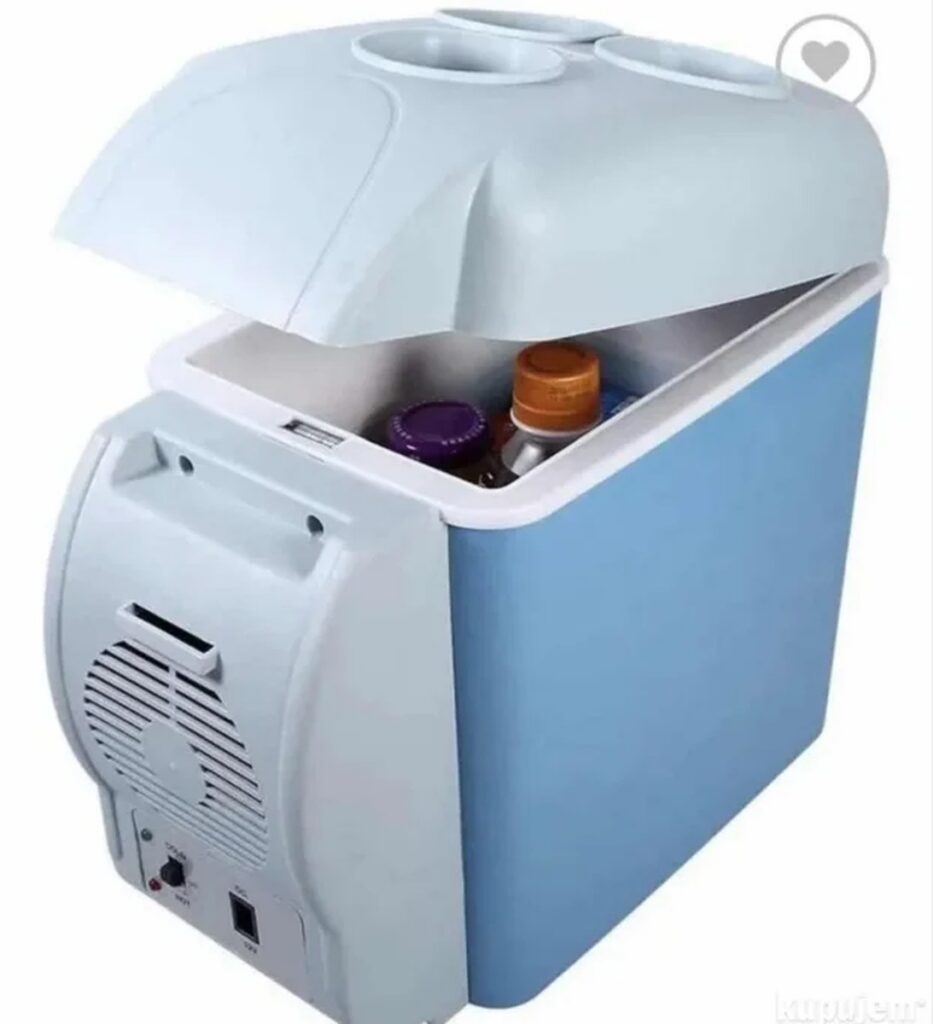
When you start looking at car fridges, the first big split is between thermoelectric and compressor models. Thermoelectric (Peltier) units use electricity to cool one side while heating the other. They’re cheaper and lighter, but they have fans that make noise, and they can’t freeze anything. In practice, that means at 30 degrees outside, the inside might only get to around 15 degrees—fine for drinks, but not for freezing.
Compressor models work just like your home fridge. They have a compressor and refrigerant, so they can freeze and maintain low temperatures even in extreme heat. They’re pricier, heavier, and have a higher startup current, but they’re more reliable for longer trips. There’s also a third option: absorption fridges that run on 12V, 220V, and gas. These are common in campers, but they’re less efficient than compressor units and use more power.
12V or 220V: Which One to Choose
Most car fridges can run on both 12V, via the cigarette lighter socket, and 220V, through an adapter. That’s handy because you can pre-cool it at home before you leave, then switch to 12V in the car. When you’re using 220V at home, you’ll need an AC adapter that converts alternating current to direct current. An inverter does the opposite—it turns 12V into 220V—so it’s not what you need for this device.
Some models come with dual power built in, so you don’t have to carry an extra adapter. Check whether the fridge has protection against overvoltage and battery drain. This protection automatically shuts the unit off when voltage drops below a safe level, which keeps your car battery from dying. That’s important if you plan to leave the fridge running overnight.
How Much Power It Uses and How That Affects Your Battery
A car fridge’s power consumption is measured in watt-hours per day (Wh/day). This spec is key to figuring out how long you can run the unit without draining your battery. Thermoelectric models use around 1000-1400 Wh/day, while compressor models use 200-400 Wh/day, but that depends on the ambient temperature and how often you open it. For example, at 30 degrees outside, the fridge will work harder than it would at 20 degrees.
To calculate runtime, you need to know your battery’s capacity in amp-hours (Ah). For instance, an 80 Ah battery can deliver 960 Wh (12V x 80Ah). If your fridge draws 300 Wh/day, it could theoretically run for about 3 days, but in reality, it’s less because you shouldn’t regularly drain a standard starter battery below 75-80% of its charge. That’s why it’s a good idea to use low-voltage protection and plan to recharge the battery along the way.
Capacity: How Many Liters Is Enough for a Family
Car fridge capacities range from 15 to 80 liters. For one person or a couple, 20-30 liters is enough for drinks and basic groceries. For a family with kids, 40-60 liters is the sweet spot, since you’ll need room for bottles, yogurts, fruit, sandwiches, and maybe some frozen items. If you’re traveling for more than three days, it’s better to size up.
Pay attention to the interior layout. Some models come with baskets and dividers that help with organization. Dual-zone fridges have separate compartments for cooling and freezing, which is great if you want to keep ice cream or meat. However, they cost more and use more power. Think about what you really need.
How to Test a Fridge Before You Buy
Before you make a decision, check a few things. First, measure the space in your trunk where you plan to put it. The fridge needs to fit, but it also needs room for ventilation, especially with compressor models. Second, check the cable length and whether the socket matches. Some models come with a 2-meter cable, which might be too short.
Once you get the fridge home, run a cooling test. If a compressor fridge was transported lying on its side, let it stand upright for several hours (usually 2-6 hours, per the manufacturer’s instructions) before plugging it in for the first time, so the oil can flow back into the compressor. Then, plug the empty fridge into 220V and let it run for 24 hours. Measure the inside temperature and compare it to the set point. If the temperature doesn’t match, check that the door seals properly and the insulation is intact. If the problem persists, contact the seller and ask about their return policy.
Safety and Installation in Your Vehicle
Your car fridge needs to be securely fastened in the vehicle. During driving, especially with sudden braking, the unit can shift and injure passengers. Use straps or special mounts that attach to the floor or seat. Also, check whether the fridge vents from the sides or the back. Compressor models give off heat, so air needs to circulate around them.
The power cable should be thick enough to handle the current the fridge draws. If you’re using an extension cord, check its gauge. It’s best to use the original cable or one recommended by the manufacturer. If you’re unsure, consult an expert or check the specs on the product page.
Browse Our Range
Frequently Asked Questions
What’s the difference between a thermoelectric and a compressor fridge?
A thermoelectric unit uses the Peltier effect and cools to 15-20 °C below ambient temperature, but it can’t freeze. A compressor model has a compressor and refrigerant, so it can freeze and works well in high temperatures. Compressor units are more expensive, but they’re also more reliable.
Can a car fridge run overnight on the battery?
Yes, but it depends on your battery’s capacity and the fridge’s power draw. Models with low-voltage protection will shut off when the voltage drops, which protects the battery. For longer runtime, consider a secondary battery or a solar panel.
What does the 12/220V label on a fridge mean?
It means the unit can run on 12V (car) and 220V (household outlet). For home power, use an AC adapter; for the car, plug it directly into the cigarette lighter socket.
How do I find out my fridge’s power consumption?
Check the product specs for the Wh/day (watt-hours per day) rating. This number lets you calculate battery runtime, keeping in mind that you shouldn’t regularly drain a standard starter battery below 75-80% of its charge.
Can I use a car fridge at home?
Yes, if it has dual power or if you use an AC adapter. Plug it into a regular outlet and let it cool down before you hit the road.
What capacity is best for camping?
For a weekend camping trip, 30-40 liters is plenty. For longer trips or a family, go with 50-60 liters. Think about how many people you’re traveling with and how long you’ll be out.