Key Takeaways:
- Ice maker capacity is measured in kilograms per day, with standard home units rated at 12–15 kg daily, while a typical family’s actual usage is usually just a few kilograms a day.
- First-batch time varies by model but typically falls between 6 and 15 minutes.
- Noise levels depend on the compressor and insulation, so check the decibel rating in the specs before you buy.
- Regular cleaning extends the life of the unit and prevents limescale buildup.
- For occasional use, freezer ice trays are a simple, budget-friendly alternative.
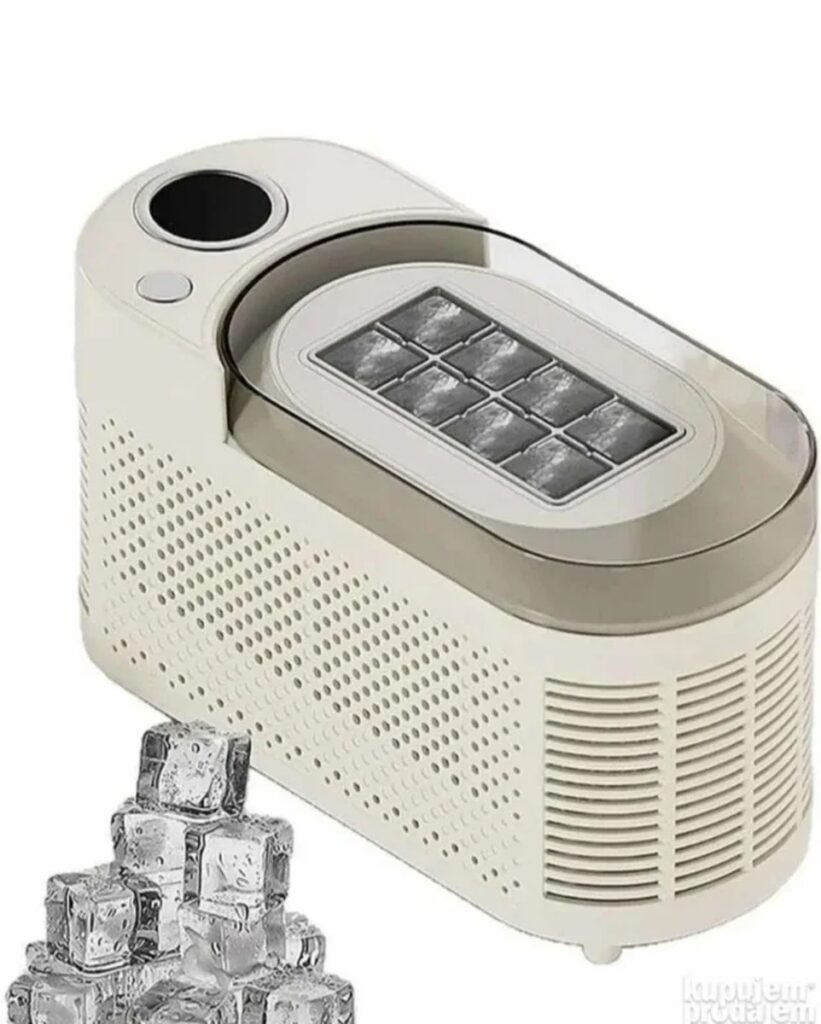
Home ice makers are becoming increasingly popular, especially during the warmer months. Instead of waiting for water to freeze in trays, an ice maker delivers fresh cubes in just a few minutes. There aren’t many solid guides on choosing an ice maker in the Serbian market, so we put this together to help you make the right call.
Below, we’ll walk you through what really matters: capacity, production time, noise, cleaning, and a few other things. The goal is to help you steer clear of the most common mistakes and pick a unit that actually fits your needs.
Capacity: How Much Ice Do You Really Need?
The first question to ask yourself is how much ice you go through in a day. Ice maker capacity is typically expressed in kilograms of ice produced over 24 hours. Standard home units are rated at 12 to 15 kilograms per day, but a family of 3–4 usually only needs a few kilograms daily. If you host parties often or have higher demand, consider a model with a larger capacity.
It’s worth noting that capacity doesn’t mean you’ll get all that ice at once. Most ice makers produce the first batch in 6 to 15 minutes, then continue in cycles. If you need a large amount at one time, check how much ice the storage bin can hold.
Always check the exact capacity and first-batch time on the product page. These specs vary from model to model, so it’s best to compare them before making a purchase.
First-Batch Time: How Fast Will You Get Ice?
First-batch time is the period from powering on the unit to the moment you get your first cubes. For most home ice makers, that’s between 6 and 15 minutes. The shorter the time, the more convenient the unit—especially when you need ice at the last minute.
Look for models with a quick-production or turbo mode. This isn’t a standard feature, but it’s handy if you’re often making ice for guests. Keep in mind, though, that faster production usually means more noise and higher energy consumption.
Before buying, check the specs for the first-batch time. That’s the only way to be sure the unit meets your expectations.
Noise: How to Keep It From Disrupting Your Peace
An ice maker isn’t a quiet appliance. The compressor and fans generate noise that can get annoying, especially if the unit sits in your living room or near the bedroom. Manufacturers often list noise levels in decibels (dB), but those numbers aren’t always reliable. Your best bet is to check user reviews on forums or in the comments section.
Generally, models with a smaller compressor are quieter but have lower capacity. If noise is a big factor for you, think about where you’ll place the unit. In a kitchen where other appliances are already running, 40–55 dB might not bother you. In a bedroom, even a quiet hum can disrupt your sleep.
Finally, keep in mind that noise also depends on how old the unit is and how well it’s maintained. Cleaning affects hygiene, ice taste, and cooling efficiency, and regular cleaning can actually reduce noise over time—limescale on the pump and a compressor working harder due to a dirty condenser can both push noise levels up.
Cleaning and Maintenance: Easier Than You Think
Cleaning your ice maker is essential for hygiene and longevity. Limescale and debris can affect the taste of the ice and reduce efficiency. Most models come with a self-cleaning function that makes maintenance easier. A monthly cleaning is recommended, but that depends on water hardness and how often you use the unit.
Use filtered water to minimize limescale buildup. For models with a conductivity sensor, distilled water can prevent the unit from detecting the water level, so check the manual; this isn’t an issue with float-switch models. If you’re using regular tap water, be prepared to clean more frequently. Always follow the cleaning instructions in the user manual.
Beyond the interior, wipe down the exterior regularly. Dust and grease can clog the vents and affect performance. A simple maintenance routine will extend the life of your ice maker and keep the ice quality high.
Alternatives: Ice Trays and Fridges With Built-In Ice Makers
Before committing to a standalone ice maker, consider other options. Freezer ice trays are the cheapest solution and require no extra equipment. Just fill the trays with water, pop them in the freezer, and you’ll have ice in a few hours. The downside is that it’s slow and requires manual handling.
Fridges with built-in ice makers are convenient but pricier, and many require a water line connection, though some models have a manual-fill reservoir. They produce ice automatically but often have a smaller capacity than standalone units. If you’re in the market for a new fridge, this could be a solid option.
For occasional use, you can also just buy a bag of ice at the store. It’s the fastest solution, but it can get expensive over time. Think about your habits and budget before you decide.
Browse Our Range at Smart Home Shop
At Smart Home Shop, you’ll find a variety of ice makers for home use. We recommend checking out the ice maker category on our site and comparing the specs. You’ll find capacity, first-batch time, noise levels, and other key features listed there.
If you have any additional questions, feel free to reach out. Our team will be happy to help you find the right model for your needs.
Shop All
FAQ
How much ice does a home ice maker produce per day?
Most home ice makers produce between 12 and 15 kilograms of ice per day, which is the standard capacity. A typical family’s actual usage is usually just a few kilograms daily. The exact capacity depends on the model and is listed in the product specs.
How long does it take for an ice maker to produce the first batch?
The first batch typically takes between 6 and 15 minutes, depending on the model. Faster models have shorter times but may come at a higher price.
Are ice makers noisy?
Yes, ice makers do produce noise during operation, especially when the compressor is running. Noise levels typically range around 40–55 dB, but check the product specs for the exact figure.
How do you clean an ice maker?
Most models have a self-cleaning function. A monthly cleaning is recommended, using a mild vinegar solution or a specialized cleaner. Always follow the manufacturer’s instructions.
What’s an alternative to an ice maker?
Freezer ice trays are the simplest and most affordable option. Fridges with built-in ice makers are convenient but pricier, and many require a water line connection. For parties, you can also just buy a bag of ice.