Key takeaways:
- A fan doesn’t cool the air—it speeds up sweat evaporation from your skin, so you only feel the effect while you’re in the airflow.
- Water mist cools locally and briefly, working best in dry rooms rather than on humid days.
- Curtains and blinds cut down on solar heat gain through windows, and a light, reflective side facing the glass boosts the effect even more.
- Simple habits like airing out at night and turning off heat-generating appliances can lower the temperature at no extra cost.
When the temperature outside climbs past 30°C and air conditioning isn’t an option, your apartment can quickly turn into an oven. Cooling a home without AC is doable, but it helps to understand how heat gets in and how your body responds to airflow. In this post, we’ll walk through methods that actually work—no promises of miracle temperature drops.
Combining fans, moisture, window protection, and a few habit tweaks can make your space much more bearable. Don’t expect the whole room to drop by several degrees, but the feeling of freshness can be significant. Here’s what works in practice.
Fans: How to Position Them for a Real Difference
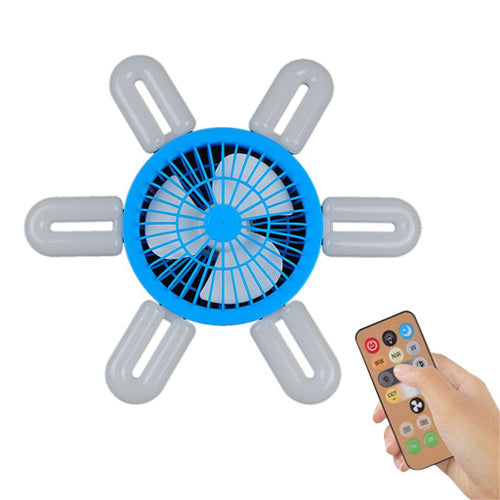
A fan doesn’t cool the air—it creates airflow that speeds up sweat evaporation from your skin. That’s why you only feel the effect while you’re in the draft. To get the most out of it, point the fan toward yourself, not at a wall or ceiling. Once the air temperature hits around 35°C, a fan stops helping and can even worsen heat stress, especially for older adults, so it shouldn’t be your primary cooling method then.
In the evening, when temperatures drop, place a fan near an open window to push hot air out or pull in cool night air. During the day, with windows closed, a fan can circulate air around the room, but don’t expect it to cool the entire apartment.
For larger spaces, a tower fan or a pedestal fan often reaches farther than small desktop models. You can check the product page for detailed specs, like power and coverage area.
Water Mist: Quick, Localized Relief That Doesn’t Last
Cool-mist humidifiers or water sprayers can lower the temperature for a short time, but the effect is local and fleeting. As water droplets evaporate off your skin, they draw heat away, leaving you feeling refreshed. This works best in dry rooms, since humid air combined with heat can feel uncomfortable.
Use mist near an open window or door so the moist air can escape. If it’s humid outside, mist won’t help and might even make things worse. It’s not recommended for prolonged use, as higher humidity can encourage mold growth.
Smart Home Shop carries humidifiers with timers, so you can limit operation to short intervals. Check the product page for the exact features of each unit.
Curtains and Blinds: Your First Line of Defense Against the Sun
The biggest source of heat in your apartment during the day is sunlight coming through the windows. Closing blinds or drawing heavy curtains can significantly cut down on heat gain. For the best results, use reflective films or curtains with a light, reflective side facing the glass.
The air pocket between the curtain and the glass always slows heat transfer, but with a dark curtain, that pocket heats up and the effect is lost because the curtain radiates heat inward; a reflective side facing the glass prevents that warming. So go with light colors and materials that bounce light back.
Outdoor blinds are more effective than indoor ones because they stop heat before it enters the space. If you only have indoor blinds, pair them with curtains. These methods require no electricity and work continuously throughout the day.
Habits That Cut Heat Without Extra Gadgets
Only air out your apartment in the early morning and late evening when it’s cooler outside. Keep windows shut during the day so hot air doesn’t get in. It’s a simple habit that can make a real difference in your indoor temperature.
Turn off appliances that generate heat: the oven, stove, dryer, and unplug chargers to save electricity, even though their heat contribution to the room is negligible. Incandescent bulbs also warm up a space, so switch to LEDs. If you’re cooking, fire up an outdoor grill or go with cold meals.
Taking a lukewarm shower and wearing light, breathable clothing help your body cool down. These habits don’t require buying anything new, but they can make your apartment much more comfortable.
Combining Methods: What Works Best
No single method will solve the problem on its own, but combining them gets results. For example, keep blinds closed during the day, run a fan to circulate air, then open windows in the evening and use mist for localized refreshment. This approach tackles different heat sources and adapts to temperature shifts throughout the day.
For more precise tracking of temperature and humidity, a smart thermometer or sensor can show you when it’s best to air out or switch on the fan. These devices are available at Smart Home Shop, and you can find their specs on the product page.
Experiment with fan placement and curtain settings until you find a combination that works for you. Every apartment is different, so it’s worth paying attention to what works in your space.
Browse Our Range
FAQ
Does a fan actually cool the air in a room?
No, a fan doesn’t change the air temperature—it creates airflow that speeds up sweat evaporation from your skin. That’s why you feel cooler only while you’re in the draft.
When’s the best time to air out an apartment on hot days?
Air out early in the morning or late in the evening when outdoor temperatures are lower. Keep windows closed during the day to keep hot air out.
How does water mist help with cooling?
Mist creates fine water droplets that evaporate off your skin and draw away heat, giving you a localized feeling of freshness. The effect is short-lived and works best in dry rooms.
Do dark curtains make a room hotter?
Dark curtains can absorb sunlight and heat up, transferring that warmth into the room. Light, reflective curtains are a better choice for summer.
Which appliances in an apartment generate the most heat?
The oven, stove, dryer, and older incandescent bulbs give off a lot of heat. Turning these off during the day can help lower the temperature. A water heater is an insulated tank with minimal heat loss to the room, so it shouldn’t be counted among appliances that significantly warm the space.